
How Do You Get Certified and Choose the Right Laser to Start a Tattoo Removal Business?
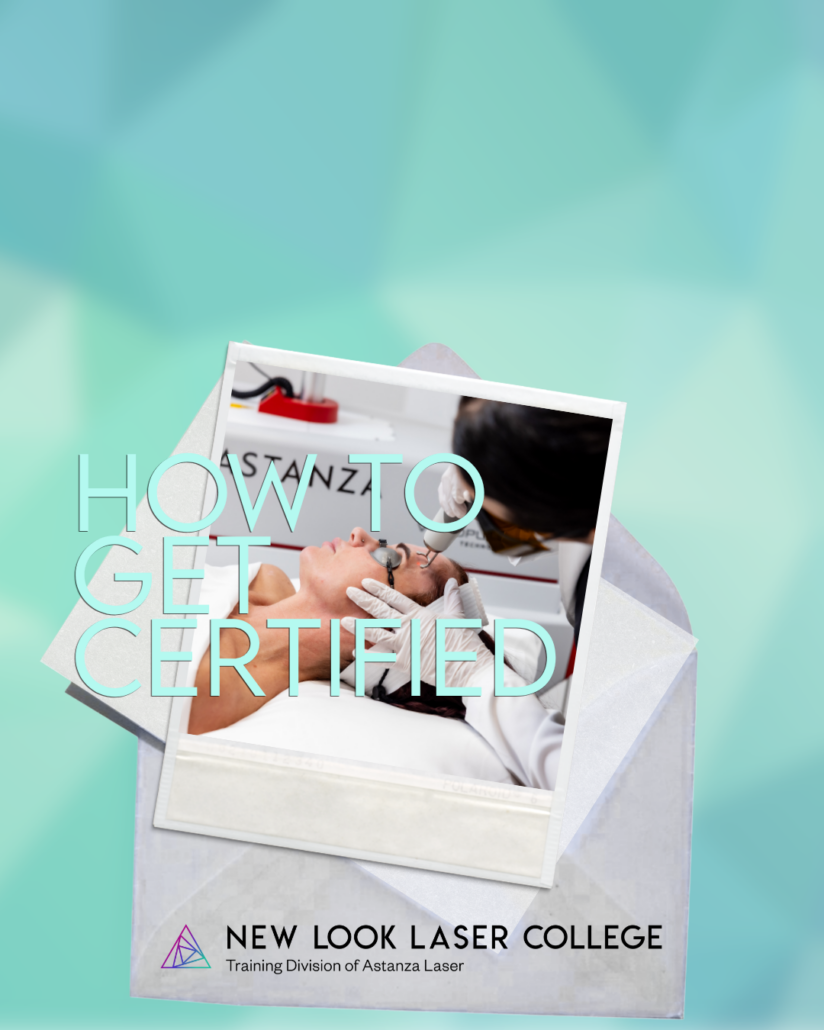
Entering the laser tattoo removal market is one of the most reliable ways to build a high-margin, cash-pay business. Capturing this growing consumer demand depends on three essential operational pillars. Specifically, you must invest in high-performance laser technology, secure certified clinical training, and follow clear state regulatory frameworks. Because of these factors, your studio, clinic, or business can capture significant market share with minimal local competition.
Whether you are a tattoo artist adding ink clearance to your studio, an entrepreneur launching a standalone business, or a technician building your clinical skills, mastering safety protocols defines your long-term success. Additionally, selecting the right wavelength platform ensures superior client outcomes and maximum profitability.
Download the Free eBook: How to Start a Laser Tattoo Removal Business
What certifications do you need to operate a tattoo removal laser?
To operate a Class IV aesthetic laser legally and safely, practitioners must complete dedicated clinical coursework covering laser physics, skin biology, light-tissue interaction, and safety protocols. At New Look Laser College (NLLC), the specialized laser training division of Astanza Laser, students earn three distinct designations during an intensive two-day training course:
| Certification | Core Competency & Focus Area | Regulatory & Operational Benefit |
| Certified Laser Specialist (CLS) | Laser physics, skin biology, Fitzpatrick skin typing, treatment parameters, and hands-on laser application. | Establishes formal clinical competence to perform daily treatments under medical director delegation. |
| Laser Safety Officer (LSO) | ANSI Z136.3 safety standards, optical radiation hazards, PPE, and administrative facility controls. | Fulfills state-mandated safety officer requirements and mitigates facility operational liability. |
| Advanced Tattoo Removal Specialist | Multi-wavelength protocols (1064 nm, 532 nm, 694 nm) and supervised treatments on live model patients. | Validates real-world clinical experience treating complex ink colors across diverse skin types. |
Why is hands-on training on live model patients essential for laser technicians?
Hands-on clinical training on live model patients allows operators to build real-world confidence rapidly. For example, technicians refine their handpiece distance, master treatment speed, and evaluate skin responses under expert instructor guidance. Classroom theory alone cannot simulate real-time clinical variables. Therefore, practicing on live models is crucial for learning immediate tissue frosting, skin response differences, and patient comfort management.
During the two-day course at New Look Laser College, attendees perform supervised laser treatments on live models representing various Fitzpatrick skin types. Additionally, students treat multiple tattoo styles and ink densities. Practicing on live models under expert supervision ensures operators gain immediate feedback on spot size selection, fluence adjustments, and post-treatment care protocols.
View Upcoming Course Dates on the New Look Laser College Schedule
Should you choose Q-Switched or Picosecond laser technology for your laser tattoo removal business?
Selecting between Q-Switched and picosecond laser platforms depends on your budget, client demographic, and business goals. For instance, multi-wavelength Q-Switched lasers, such as the Quanta Q-Plus EVO Series, serve as the reliable industry workhorse for versatile ink clearance. Conversely, picosecond lasers, such as the Quanta Discovery PICO, utilize PicoBoost technology delivering up to 1.8 GW of peak power to shatter stubborn ink particles into fine dust.
| Laser Technology | Pulse Width | Primary Wavelengths | Best Business & Clinical Application |
| Quanta Q-Plus EVO Series | Nanosecond (ns) | 1064 nm / 532 nm / 694 nm Ruby | Reliable clearing for standard black, dark, and warm-toned inks; ideal for new businesses seeking high ROI and lower initial capital investment. |
| Quanta Discovery PICO | Picosecond (ps) | 1064 nm / 532 nm (PicoBoost) | Shattering stubborn recalcitrant ink and dense black tattoos; shortens overall treatment timelines for high-volume clinics. |
How can you get started with laser tattoo removal training and certification?
Ready to launch your career or expand your studio with laser tattoo removal? Enrolling in New Look Laser College provides you with hands-on clinical experience, industry-recognized credentials, and direct access to Astanza Laser technology. First, speak with an NLLC admissions advisor today to discuss upcoming course locations, student scheduling, and training prerequisites.
- View Upcoming Course Dates on the New Look Laser College Schedule: Reserve your seat for two days of hands-on clinical training on live model patients.
- Download the Free eBook: How to Start a Laser Tattoo Removal Business: Access complete financial projections, ROI calculators, and regulatory frameworks.
- Connect with an Astanza & NLLC Advisor Today: Discuss laser equipment selection, state regulations, and custom financing options.
Frequently Asked Questions (FAQs)
Do I need to be a doctor or nurse to attend New Look Laser College?
No. New Look Laser College welcomes non-medical entrepreneurs, tattoo artists, estheticians, and medical professionals looking to gain hands-on laser tattoo removal training and earn their CLS and LSO certifications.
How many certifications do attendees earn at New Look Laser College?
Graduates of the two-day NLLC course earn three distinct credentials: Certified Laser Specialist (CLS), Laser Safety Officer (LSO), and the Advanced Laser Tattoo Removal Certification.
What is the primary difference between nanosecond and picosecond lasers?
Nanosecond (Q-Switched) lasers use photothermal and photo-acoustic energy to heat and shatter ink, while picosecond lasers deliver ultra-short energy pulses that maximize photo-acoustic pressure waves to break ink into smaller particles with less thermal buildup.
{
“@context”: “https://schema.org”,
“@type”: “FAQPage”,
“mainEntity”: [
{
“@type”: “Question”,
“name”: “Do I need to be a doctor or nurse to attend New Look Laser College?”,
“acceptedAnswer”: {
“@type”: “Answer”,
“text”: “No. New Look Laser College welcomes non-medical entrepreneurs, tattoo artists, estheticians, and medical professionals looking to gain hands-on laser tattoo removal training and earn their CLS and LSO certifications.”
}
},
{
“@type”: “Question”,
“name”: “How many certifications do attendees earn at New Look Laser College?”,
“acceptedAnswer”: {
“@type”: “Answer”,
“text”: “Graduates of the two-day NLLC course earn three distinct credentials: Certified Laser Specialist (CLS), Laser Safety Officer (LSO), and the Advanced Laser Tattoo Removal Certification.”
}
},
{
“@type”: “Question”,
“name”: “What is the primary difference between nanosecond and picosecond lasers?”,
“acceptedAnswer”: {
“@type”: “Answer”,
“text”: “Nanosecond (Q-Switched) lasers use photothermal and photo-acoustic energy to heat and shatter ink, while picosecond lasers deliver ultra-short energy pulses that maximize photo-acoustic pressure waves to break ink into smaller particles with less thermal buildup.”
}
}
]
}
